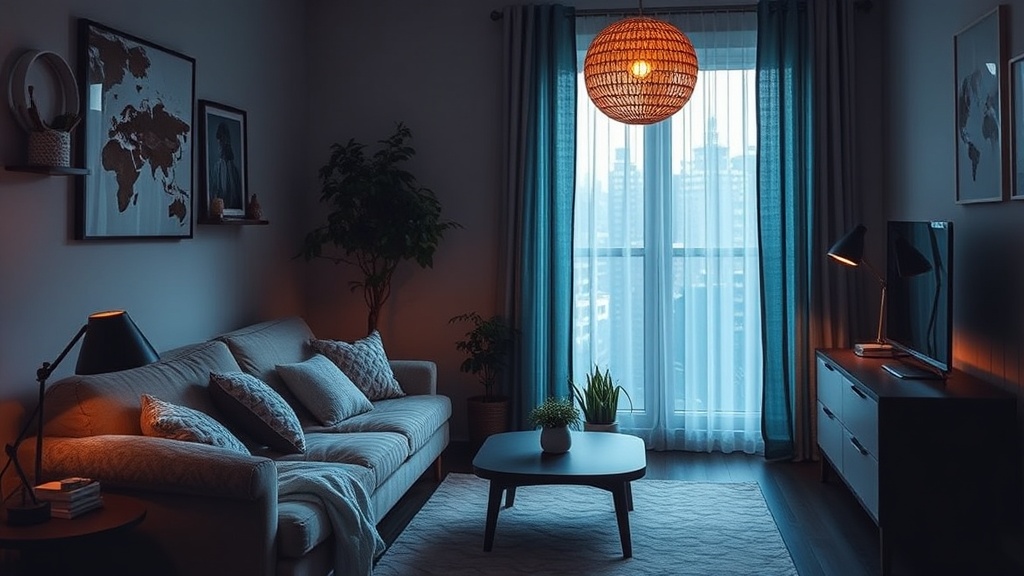
Creating a Low-Stimulus Sanctuary at Home

A person sits on their sofa, staring at a stack of mail, a blinking router light, and a half-empty coffee mug. The hum of the refrigerator feels too loud, the neighbor's lawnmower is vibrating through the window, and the bright sunlight hitting the hardwood floor feels physically painful. This isn't just a bad mood; it's sensory overload. This post explains how to transform your living space into a low-stimulus sanctuary to help regulate your nervous system.
Living in a world that is constantly "on" means your brain rarely gets a break. We're talking about sensory processing—the way your brain interprets light, sound, and touch. When your environment is too loud or too bright, your brain stays in a state of high alert. You might notice increased irritability, fatigue, or even physical tension. Creating a low-stimulus space isn't about luxury; it's about mental health management.
What is a low-stimulus environment?
A low-stimulus environment is a space designed to minimize sensory input to prevent neurological overstimulation. It focuses on reducing the "noise" of your surroundings—not just literal sound, but visual clutter, harsh lighting, and intense textures. By controlling these variables, you give your brain the chance to transition from a sympathetic state (fight or flight) to a parasympathetic state (rest and digest).
Think of it as a "sensory diet." Just as you might watch what you eat for physical health, you have to watch what you consume through your senses. For many, this means a room with neutral colors, soft textures, and minimal distractions. It's the difference between a room that feels "busy" and a room that feels "still."
If you find yourself frequently overwhelmed by your surroundings, you might want to look into building a sensory toolkit to manage those moments in real-time. Having a plan for your environment is just as important as having a plan for your internal state.
How can I reduce sensory input at home?
You can reduce sensory input by auditing your five senses and replacing high-intensity stimuli with low-intensity alternatives. Start with the most obvious culprits: light and sound. Most modern homes are filled with "visual noise"—the kind that makes your eyes dart around without realizing it.
1. Visual Stimuli
Bright, overhead LED lights are a major trigger for many people. Instead of the "big light," use warm-toned lamps or even battery-operated candles. If you have a window that lets in too much harsh sunlight, consider blackout curtains or linen shears. Linen provides a soft, diffused light that feels much more calming than a direct glare.
Clutter is also a visual stimulus. A messy coffee table or an unmade bed sends a constant, subtle signal to your brain that "work is unfinished." You don't need a minimalist house, but you do need clear surfaces. A single basket to hide the mail or a small tray for your keys can make a massive difference in how "quiet" a room feels.
2. Auditory Stimuli
Constant background noise—the hum of the AC, the distant traffic, or the neighbor's TV—keeps your brain on edge. You can mitigate this using white noise or brown noise. While white noise is a steady hiss, brown noise is a deeper, lower-frequency sound (think of a distant rumble or heavy rain). Many people find brown noise much more soothing for deep relaxation.
If you need to block out the world entirely, high-quality noise-canceling headphones like the Bose QuietComfort series or Sony WH-1000XM5 are worth the investment. They aren't just for music; they are tools for silence.
3. Tactile and Olfactory Stimuli
Texture matters. If you're feeling overstimulated, a scratchy wool blanket is the last thing you need. Switch to high-quality cotton or bamboo sheets. Even the scent of your home can affect your ability to relax. Instead of heavy, floral perfumes that can be cloying, try subtle, earthy scents like cedarwood or lavender. You can find much research on how scent affects the brain through Wikipedia's overview of the olfactory system.
| Sense | High-Stimulus (Avoid) | Low-Stimulus (Adopt) |
|---|---|---|
| Sight | Fluorescent lights, bright colors | Warm lamps, neutral tones |
| Sound | Clanging, high-pitched alerts | Brown noise, soft ambient music |
| Touch | Scratchy fabrics, tight clothing | Soft cotton, weighted blankets |
| Smell | Strong perfumes, chemical scents | Natural essential oils, fresh air |
What are the best items for a calming space?
The best items for a calming space are those that offer control over your environment. You want things that you can turn off, dim, or set aside when the world feels too heavy. It's about agency—the ability to decide how much of the world you are letting in at any given moment.
- Weighted Blankets: These provide deep pressure stimulation, which can help ground your nervous system.
- Dimmable Smart Bulbs: Brands like Philips Hue allow you to change the color temperature of your room from a bright, alert white to a warm, sunset amber.
- Essential Oil Diffusers: A simple ultrasonic diffuser can help you control the scent profile of a room without the heavy artificiality of a candle.
- Noise-Canceling Headphones: Essential for anyone working from home or living in a busy area.
- Linen or Cotton Throw Blankets: Focus on natural fibers that feel soothing against the skin.
If you're already feeling the physical effects of stress, you might find it helpful to practice box breathing to help lower your heart rate before you even enter your sanctuary. It's a way to bridge the gap between a chaotic environment and a calm one.
The goal isn't to create a perfect, museum-like room. That's impossible. The goal is to create a corner or a room where you feel safe enough to let your guard down. Sometimes, that's just a specific chair with a specific lamp and a very soft blanket. It's a small, controlled world that belongs entirely to you.
When you're in that space, the outside world—the emails, the news, the social media notifications—can't touch you. You've built a wall of soft light and quiet sounds. It's a way to reclaim your capacity to feel and think without being constantly interrupted by the friction of modern life.